English
 русский
 Français
 Español
 عربى
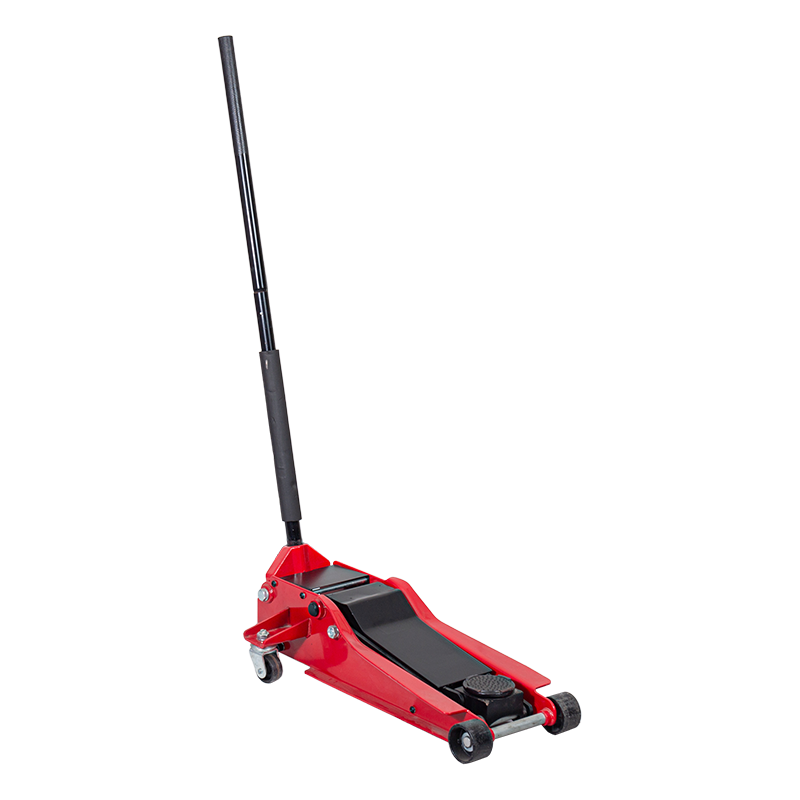
OY1051L 3Ton Professional Low-Profile Floor Jack (Double pump)
OY1051L Professional Low-Profile Floor Jack delivers 3-ton capacity with a dual-pump system for smooth, r...



Home · News · Industry News · What Does a Spring Compressor Do? Uses, Types and Safety
Content
A spring compressor compresses a coil spring in a controlled manner, reducing its length so it can be installed, removed, or serviced safely under the correct working conditions. It is commonly used in automotive repair, especially when replacing suspension springs, repairing strut assemblies, or working with other mechanical systems that rely on loaded springs.
Coil springs store mechanical energy when compressed. If a spring is released suddenly, that energy can cause the spring or connected components to move violently. A spring compressor helps restrain the spring during maintenance, making it possible to work on assemblies that would otherwise be difficult or dangerous to disassemble.
For example, when replacing a coil spring in a compatible suspension strut, a suitable compressor shortens the spring enough to relieve pressure on the upper mount, allowing the assembly to be disassembled according to the vehicle manufacturer's service procedure.
A spring compressor applies force to opposite sections of a coil spring, drawing them closer together. Depending on the design, this force may come from a threaded screw, a hydraulic mechanism, or a powered system. The tool holds the spring in a shortened position while the technician performs the required repair.
The required compression depends on the spring rate, free length, suspension design, and assembly requirements. There is no universal compression distance that applies to every spring. The compressor must be suitable for the spring's dimensions, shape, and load.
Spring compressors are available in several designs. Each type is intended for particular spring configurations, working environments, and load requirements. Choosing the correct design is essential for reliable operation.
| Type | How It Works | Typical Application |
|---|---|---|
| External spring compressor | Hooks or jaws engage the outside of a coil spring and shorten it using a threaded mechanism. | Compatible automotive coil springs and certain strut repairs. |
| Internal spring compressor | A mechanism positioned inside a compatible spring expands its gripping sections to compress the spring. | Selected suspension springs with suitable internal clearance. |
| Strut spring compressor | A dedicated fixture restrains the spring, often using opposing plates or clamps. | Compatible MacPherson strut assemblies and workshop suspension servicing. |
| Hydraulic spring compressor | Hydraulic force moves a compression mechanism or fixture. | Professional workshops handling compatible suspension assemblies. |
These categories can overlap, and product designs vary. Always confirm the manufacturer's stated capacity, permitted spring dimensions, and approved applications rather than choosing a tool based on appearance alone.
Automotive suspension systems are among the most common applications. Coil springs support vehicle weight and help absorb road impacts. A spring compressor may be needed when replacing a compatible coil spring, changing a strut mount, or servicing certain suspension assemblies.
However, not every suspension spring requires a compressor, and some spring-loaded assemblies must not be disassembled with a general-purpose tool. Certain vehicle designs require specialized equipment or a specific service procedure.
Depending on the tool's design and capacity, spring compression equipment can also be used to assemble or disassemble compatible mechanical components in industrial equipment, machinery, and other spring-loaded systems. The tool must be rated for the spring involved and suitable for the geometry of the assembly.
A compressor can make it easier to position a replacement spring within a compatible assembly. Once the spring is correctly seated and the surrounding components are secured, the compression force can be released gradually following the specified procedure.
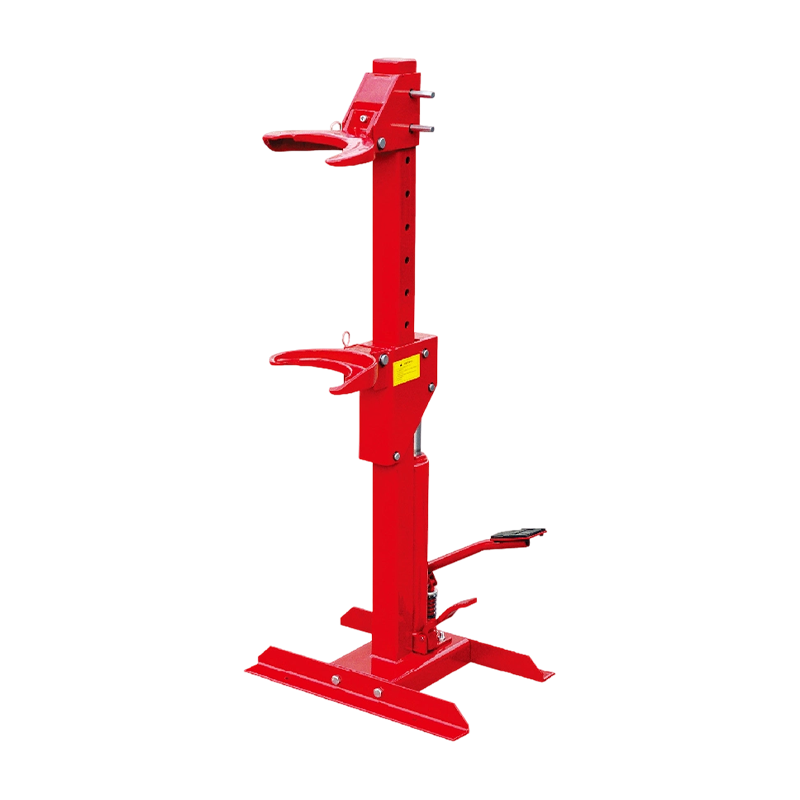
The main purpose of a spring compressor is to control stored spring energy during maintenance. Its benefits extend beyond simply shortening the spring.
A spring compressor does not automatically make a repair safe. Incorrect positioning, excessive loading, damaged components, or an unsuitable tool can still lead to serious injury. Safe operation depends on both the equipment and the technician's procedure.
Selecting a spring compressor requires more than checking whether it fits around the spring. The tool must match the spring's physical dimensions, the forces involved, and the repair method specified by the equipment manufacturer.
Measure or confirm the spring's outside diameter, wire diameter, free length, and available working clearance. For an internal compressor, verify that the tool can fit inside the spring and engage securely. For an external compressor, check that the jaws fit the coils correctly without interfering with nearby components.
Review the tool's rated capacity and operating instructions. A spring's load depends on its design, stiffness, and degree of compression. Never estimate a tool's safe capacity from its size or appearance, and never exceed its specified limits.
A compressed coil spring can store enough energy to cause severe injury if it escapes from the tool. Safety procedures are therefore essential throughout compression, repair, and release.
If you are unfamiliar with suspension spring servicing, use a qualified technician and the vehicle manufacturer's approved procedure. Some spring and strut assemblies require specialized fixtures that cannot safely be replaced by ordinary hand tools.
A spring compressor and a spring puller serve different purposes, although product names and designs can vary by industry.
| Feature | Spring Compressor | Spring Puller |
|---|---|---|
| Primary function | Shortens or restrains a spring under controlled force. | Typically pulls or removes a spring or spring-related component. |
| Typical task | Compressing a compatible coil spring for assembly or disassembly. | Extracting or repositioning components, depending on tool design. |
| Interchangeability | Cannot automatically replace a pulling tool. | Cannot automatically replace a rated spring compressor. |
The correct tool depends on the task. If a repair involves restraining a loaded coil spring, a tool specifically designed and rated for that purpose is essential.
A spring compressor controls the length and position of a coil spring by applying compression, allowing compatible spring-loaded assemblies to be serviced, assembled, or disassembled. It is particularly important in automotive suspension repair, where springs can store substantial mechanical energy.
To achieve reliable results, choose a compressor that matches the spring's dimensions and load, follow the manufacturer's instructions, and inspect the tool before every use. Correct equipment selection and careful handling help make spring maintenance more controlled and efficient.