English
 русский
 Français
 Español
 عربى
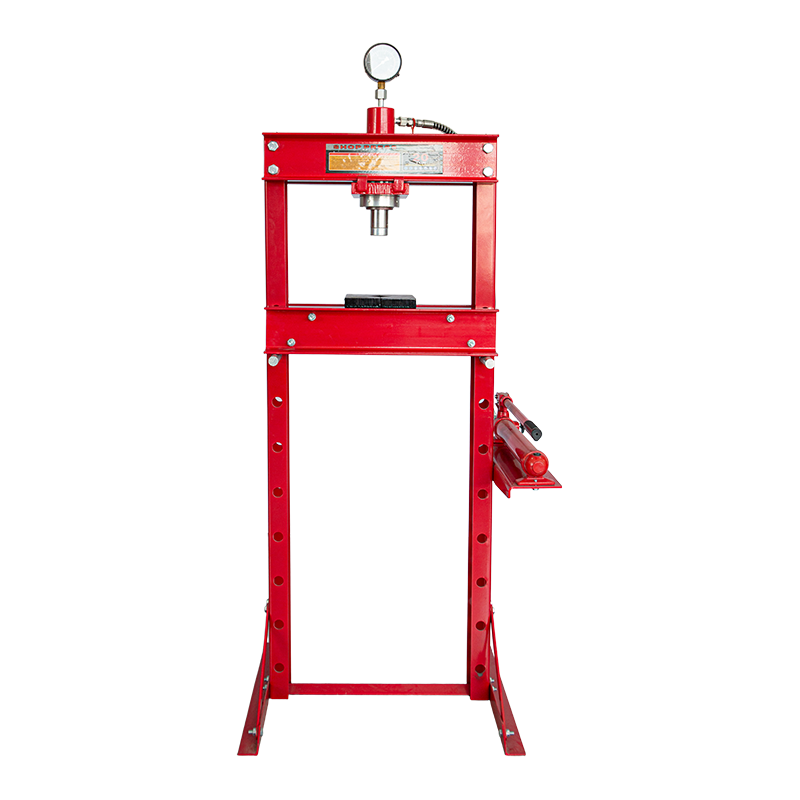
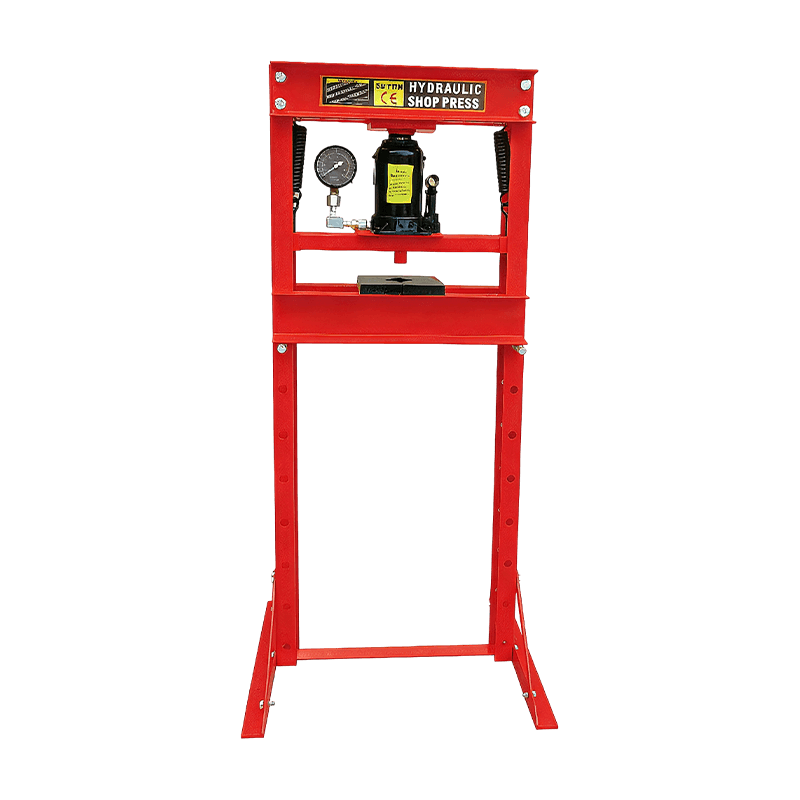
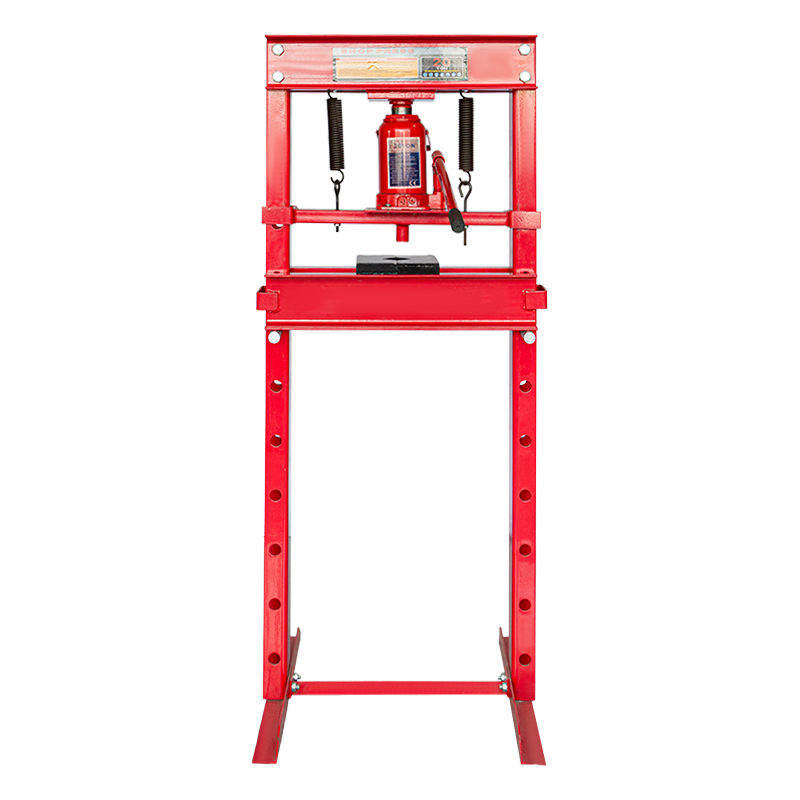
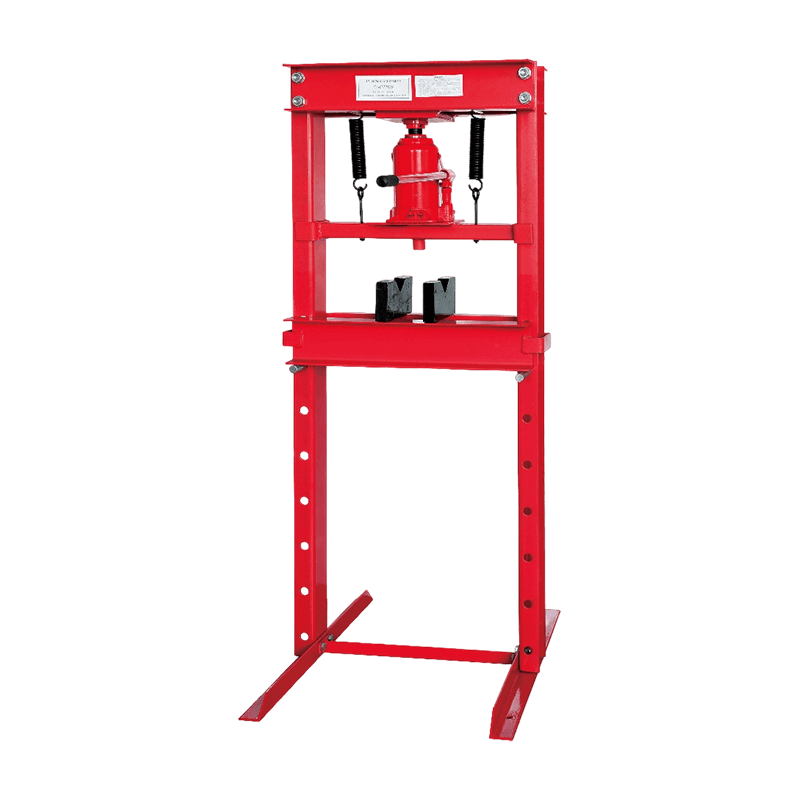
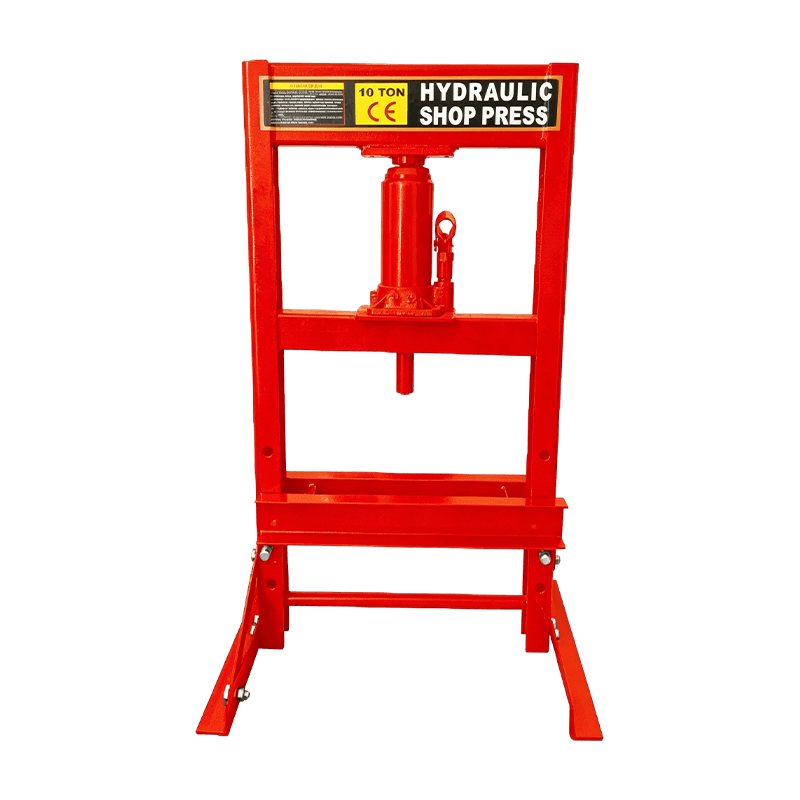
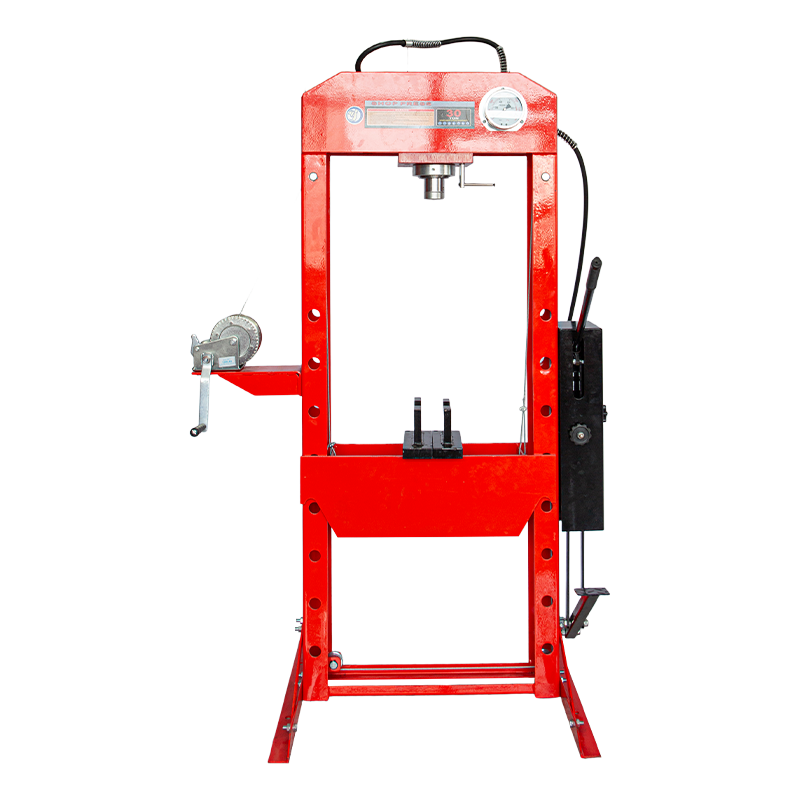
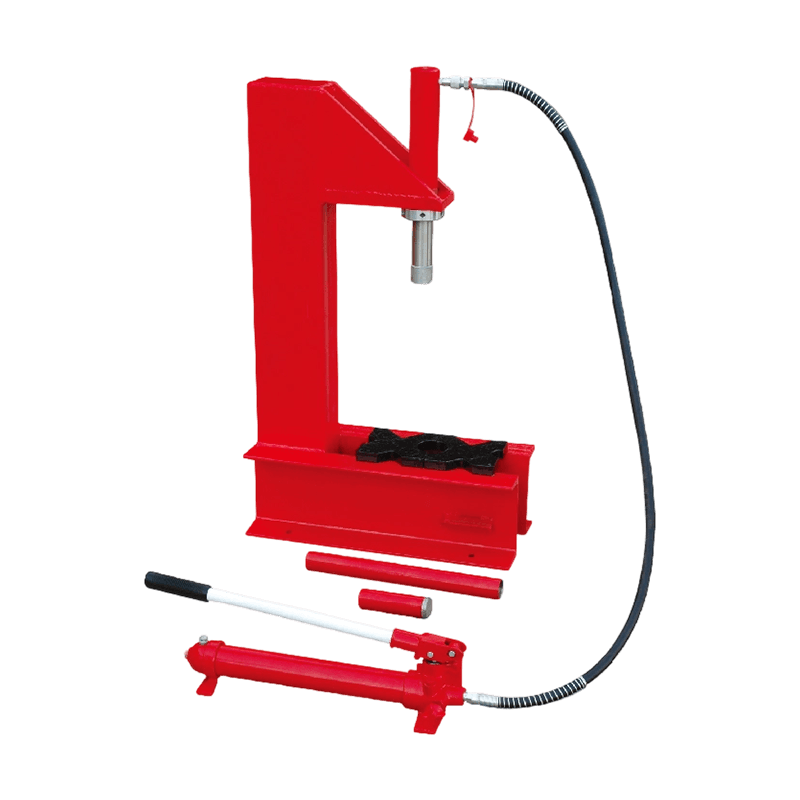
OY2020A-G 20Ton floor-standing Hydraulic Shop Press
OY2020A-G 20Ton floor-standing Hydraulic Shop Press featuring a frame geometry that provides unobstructe...



Home · News · Industry News · Hydraulic Shop Press: Selection, Operation, and Safety Guide
Content
A hydraulic shop press is a critical metalworking machine that utilizes fluid pressure to generate immense, controlled force—typically ranging from 6 to 50 tons—to bend, straighten, and assemble heavy components. The most effective approach to utilizing this tool is to select a model where the rated tonnage exceeds your maximum required force by at least 20 percent, ensuring optimal mechanical efficiency and longevity while strictly enforcing physical barriers and pressure-relief protocols during operation.
This machine operates on Pascal’s Principle, where pressure applied to an enclosed fluid is transmitted undiminished. By using a small pump piston to push hydraulic oil into a larger ram cylinder, the system multiplies the input force. For example, a standard 12-ton hydraulic shop press can generate up to 24,000 pounds of downward force, effortlessly pressing bearings into dense cast-iron housings that would be impossible to assemble manually.
Choosing the correct press requires balancing maximum force capacity with physical workspace constraints. The bed size dictates the maximum width of the material you can work on, while the ram stroke determines the vertical clearance for taller assemblies.
| Press Capacity | Standard Bed Size | Max Ram Stroke | Ideal Application |
|---|---|---|---|
| 6 Ton | 16 x 16 inches | 4 inches | Light automotive repairs, small gear pressing |
| 12 Ton | 18 x 18 inches | 6 inches | U-joint replacement, bearing installation |
| 20 Ton | 20 x 20 inches | 8 inches | Heavy machinery parts, metal straightening |
| 50 Ton | 24 x 24 inches | 10 inches | Industrial fabrication, thick plate bending |
When evaluating these specifications, always measure the physical height of your tallest workpiece. A 20-ton press with an 8-inch stroke provides ample clearance for most automotive suspension components, whereas a 6-ton model might physically trap the part before the operation is complete.
Installing bearings requires perfectly aligned, straight-line force. Using a hammer often damages the bearing races or misaligns the component. A hydraulic shop press applies force evenly across the entire outer race. For instance, pressing a 6205-2RS sealed bearing into an aluminum housing requires a steady 2,000 to 3,000 pounds of force, which the press delivers smoothly without impact shock.
Beyond pressing, these machines act as localized bending brakes. By utilizing V-blocks and a bending die, operators can bend mild steel plate up to 90 degrees. Similarly, bent shafts or axles can be straightened by placing the high spot facing up and applying incremental pressure, checking for runout with a dial indicator after each pass.
The immense force generated by a hydraulic shop press makes it inherently dangerous if misused. Components can shatter under extreme pressure, sending shrapnel flying. Therefore, strict adherence to safety and maintenance routines is non-negotiable.
By maintaining the hydraulic integrity and respecting the mechanical limits of the machine, a hydraulic shop press will provide decades of reliable, high-force service in any professional or serious DIY workshop.