English
 русский
 Français
 Español
 عربى
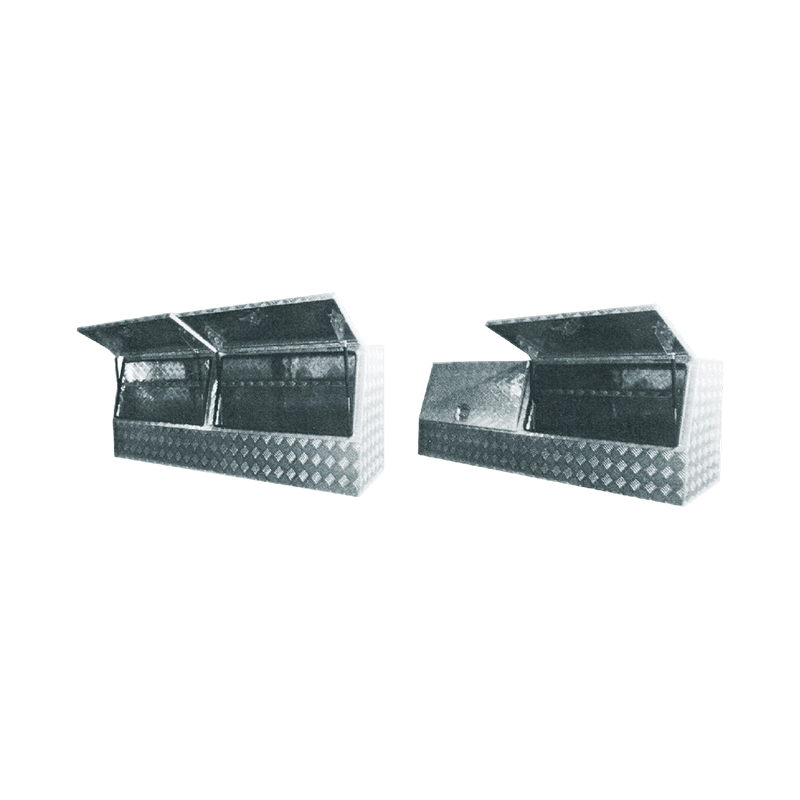
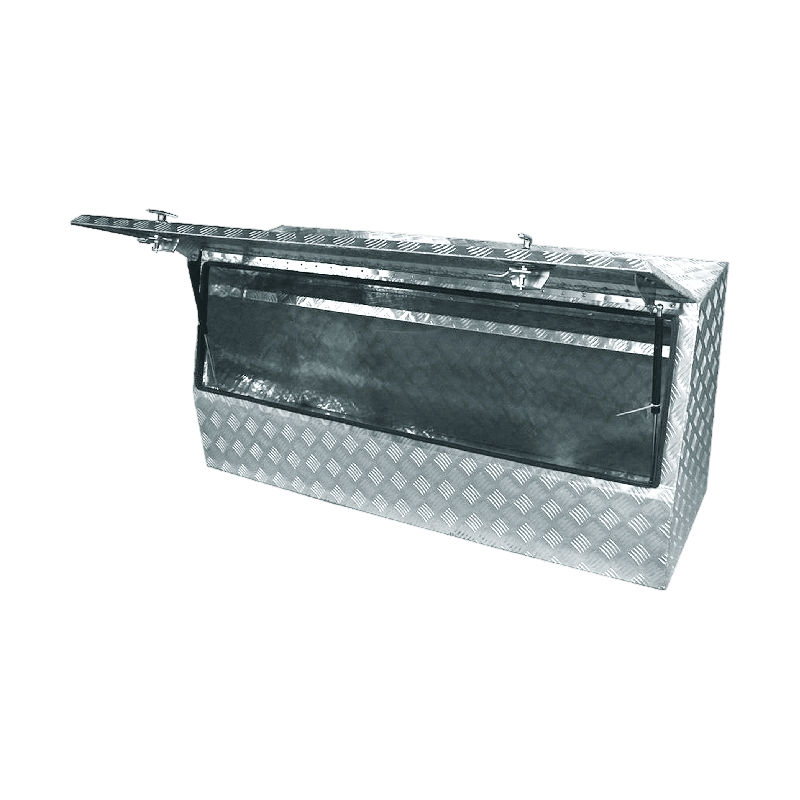
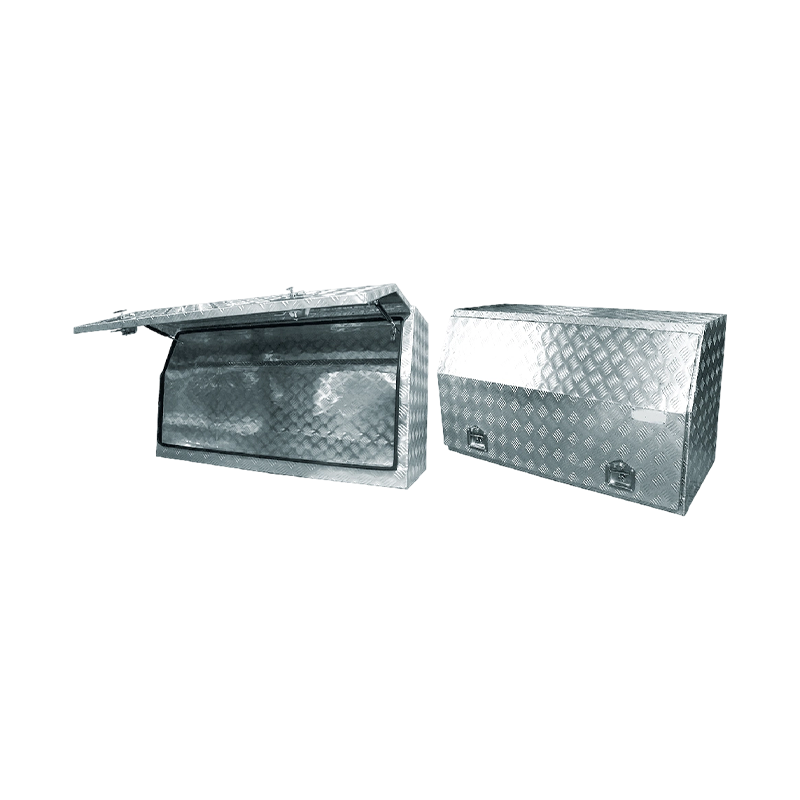
OY9090 Double open lid Aluminum Lockable Tool Case
The OY9090 is a professional-grade aluminum tool case featuring a double open lid design that provides fu...



Home · News · Industry News · Aluminum Loading Ramps: Ultimate Buying Guide & Top Picks 2026
Content
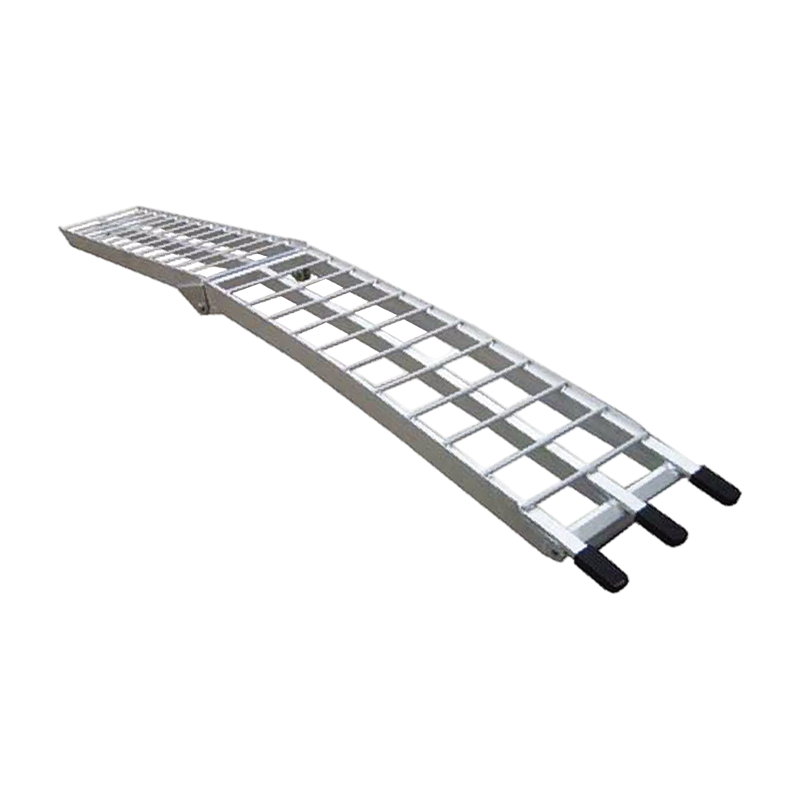
Aluminum loading ramps have become the industry standard for both commercial logistics and personal vehicle transport due to their unique combination of lightweight durability and high load-bearing capacity. Unlike steel alternatives that can weigh over 100 pounds per pair, premium aluminum ramps typically weigh between 30 to 50 pounds while supporting up to 3,000 pounds per pair. This significant weight reduction makes them far easier to handle, store, and deploy without sacrificing structural integrity.
The corrosion-resistant nature of aluminum ensures these ramps maintain their performance in harsh weather conditions, including rain, snow, and road salt exposure. For professionals who rely on daily equipment transport, this translates to lower long-term maintenance costs and extended product lifespan compared to galvanized or painted steel options.
Choosing the right aluminum loading ramp requires careful consideration of several critical specifications. The most important factor is matching the ramp's weight capacity to your heaviest expected load, with a recommended safety margin of at least 25% above your maximum weight.
Aluminum ramps are rated by their total pair capacity, not individual ramp strength. A ramp set rated for 1,500 pounds means both ramps together can safely support that weight. For heavy equipment like lawn tractors or small ATVs weighing 800-1,200 pounds, opt for ramps with a minimum 2,000-pound pair capacity to ensure safe operation.
The proper ramp length depends on your vehicle's bed height and the equipment being loaded. As a general rule, maintain a loading angle no steeper than 15 degrees for wheeled equipment and 20 degrees for tracked vehicles. Use this simple calculation: for every inch of bed height, you need approximately 4 inches of ramp length.
| Bed Height (Inches) | Minimum Ramp Length (Feet) | Ideal Ramp Length (Feet) |
|---|---|---|
| 24 | 8 | 10 |
| 30 | 10 | 12 |
| 36 | 12 | 14 |
| 42 | 14 | 16 |
Quality aluminum loading ramps feature aggressive traction surfaces to prevent slipping during loading operations. Look for ramps with raised cleats, diamond plate patterns, or grip tape applications that provide reliable footing even in wet conditions. Additionally, prioritize ramps with security chains or straps that attach firmly to your vehicle, preventing lateral movement during use.
Aluminum ramps serve diverse purposes across recreational and professional sectors. Understanding your primary use case helps narrow down the ideal ramp configuration and features.
Off-road enthusiasts frequently use aluminum ramps to load ATVs and UTVs onto pickup trucks or trailers. These vehicles typically weigh between 600 and 1,500 pounds, requiring ramps with wide surfaces (at least 11 inches) to accommodate larger tires. Folding or bi-fold designs offer convenient storage when not in use, while curb-style edges help keep tires centered during loading.
Motorcycle riders benefit from narrower aluminum ramps designed specifically for two-wheeled vehicles. These ramps often feature center channels or guide rails to stabilize the bike during ascent. For dirt bikes weighing 200-300 pounds, a single ramp with a 750-pound capacity provides ample safety margin, though using a pair is recommended for added stability.
Businesses involved in equipment rental, landscaping, or construction rely on heavy-duty aluminum ramps for daily operations. These commercial-grade ramps often feature 3,000+ pound capacities and reinforced structures to withstand frequent use. Modular designs allow users to connect multiple sections for extended reach when loading into high-bed trucks or shipping containers.
Proper care extends the life of your aluminum loading ramps and ensures consistent performance. While aluminum resists corrosion better than steel, regular maintenance prevents premature wear and maintains safety standards.
Following these simple maintenance steps ensures your aluminum loading ramps remain reliable and safe for years of service. Investing in quality ramps from reputable manufacturers provides peace of mind and protects your valuable equipment during transport operations.