


 English
 русский
 Français
 Español
 عربى






 2026-10-30
 Industry News

Zhejiang Vermillion Import and Export Co., Ltd. is a hydraulic machinery manufacturer supplying automotive shop hydraulic tools to repair workshops, garages, tyre bays and motorcycle service businesses, and to distributors who resell under their own brand. Our range covers shop presses, shop cranes, jacks, engine stands and supports, jack stands, pipe benders, motorcycle lifts, wheel dollies, car rotisseries and tyre service equipment. Production runs under an ISO 9001 quality system, and our core hydraulic products carry CE certification for European market sales.
Structural design, hydraulic circuit layout and manufacturing sit inside one organisation, so a workshop can be equipped from a single source rather than from unrelated suppliers. We ship to Europe, the USA, Canada, Australia, Japan and Southeast Asia, and we run OEM and ODM programmes for distributors and brand owners.
Our Automotive Shop Hydraulic Tools Range
The complete Automotive Shop Hydraulic Tools Suppliers range is organised into the families below. Each family is built around the working conditions of a real bay: what is being pressed, lifted, held or fitted, and how often the operation repeats.
| Product family | Typical workshop use | Configurations we build |
|---|---|---|
| Shop presses | Bushing, bearing, ball joint and U-joint work; straightening, bending and light forming | 4-100 t hydraulic, 20-75 t pneumatic; benchtop or floor-standing; hand, foot, air or electric power |
| Shop cranes | Engine and transmission lifting, component handling in the bay | Folding and fixed frames; CE-professional, economic and pick-up versions |
| Jacks | Vehicle lifting, transmission handling, panel and chassis work | Transmission, floor, bottle, porta power, vehicle positioning, air, scissor, farm and marine types |
| Engine stands and supports | Engine rebuilding and holding at working height | Rotating heads, adjustable mounting arms, overhead support bars |
| Jack stands | Load holding under raised vehicles | Ratchet and pin types, single units and pairs |
| Pipe benders | Exhaust, roll cage and chassis tube work | Manual and hydraulic frames with matched dies |
| Motorcycle lifts and stands | Motorcycle service, cleaning and storage | Hydraulic and air lifts; stand and dolly combinations |
| Wheel dollies and car rotisserie | Vehicle repositioning and body-off restoration | Four-wheel dolly sets; rotating rotisserie frames |
| Tyre service equipment | Tyre fitting and balancing | Tyre changers and wheel balancers |
Shop Presses: Tonnage, Frame and Power Source
The press is the highest-force tool in most workshops, so tonnage, frame geometry and power source decide how well it fits. Our hydraulic shop press line runs from a 6 t compact bench unit to a 50 t heavy-duty floor press, with benchtop and floor-standing frames, adjustable beds and foot-operated pumps where the operator needs both hands on the workpiece.
- OY2006A 6 t compact bench press for small garages and mobile service vehicles
- OY2012A 12 t adjustable-frame and OY2012-P 12 t H-frame for general automotive pressing
- OY2020A 20 t standard H-frame, OY2020B 20 t table-adjustable and OY2020B-D 20 t premium for high-volume repair
- OY2020B-P 20 t foot-operated for two-hand control of the workpiece
- OY2030A 30 t H-frame, OY2030B 30 t heavy-duty, OY2030B-P 30 t and OY2030D-2 30 t foot-operated with gauge for truck and heavy component work
- OY2050Q-1 50 t durable heavy-duty for industrial pressing
Pneumatic presses from 20 t to 75 t use shop air for rapid ram advance and retraction, shortening cycle time and keeping hydraulic oil out of the work area: OY2020C 20 t dual-power, OY2030 30 t standard, OY2040 40 t heavy, OY2040-2 40 t safety, OY2050 50 t industrial, OY2050Q 50 t table-adjustable and OY2075Q 75 t professional. Electric shop presses motorise ram travel for repeat cycles where compressed air is not available and consistent stroke control matters.
Lifting, Support and Positioning Equipment
Vehicle lifting and holding works as a system rather than a single tool. We supply the jack, the stand and the support that keep a vehicle or assembly stable while work continues underneath.
- Jacks: transmission, floor jack, bottle, porta power, vehicle positioning, air, scissor, farm and marine types for bay lifting, driveline removal and off-road recovery
- Jack stands: ratchet and pin types for holding a raised vehicle at a fixed height
- Engine stands and engine supports: rotating heads and adjustable arms for rebuilding, plus overhead bars that hold an engine while the subframe stays in place
- Shop cranes: folding and fixed frames in CE-professional, economic and pick-up versions
- Motorcycle lift in hydraulic and air versions, with stand and dolly combinations for storage and movement
- Wheel dollies and car rotisserie: four-wheel dolly sets for repositioning a vehicle in a tight bay, and rotating frames for body-off restoration
Tyre Bay and Workshop Support Equipment
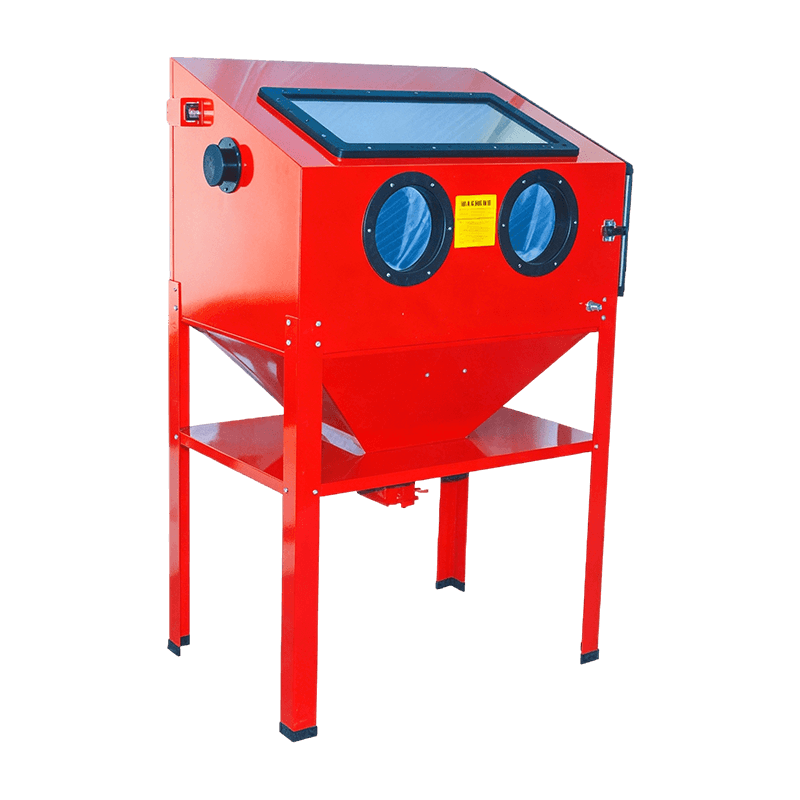
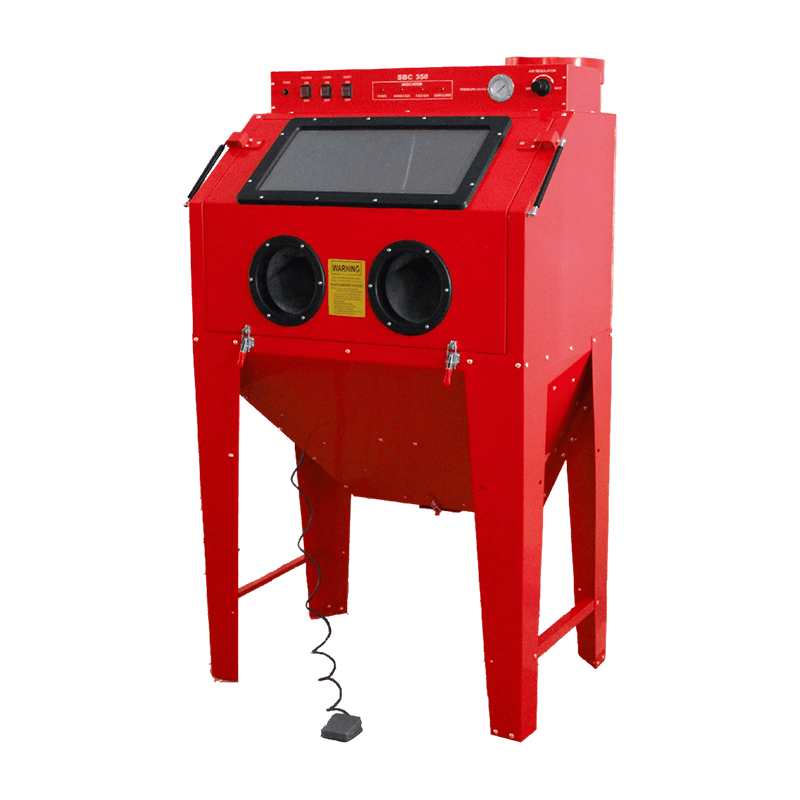
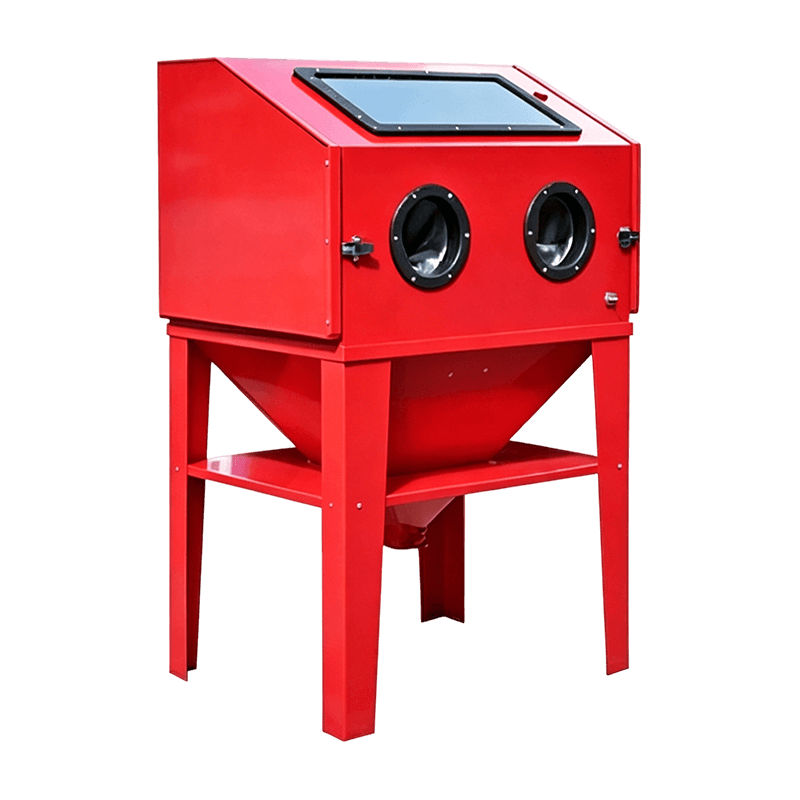
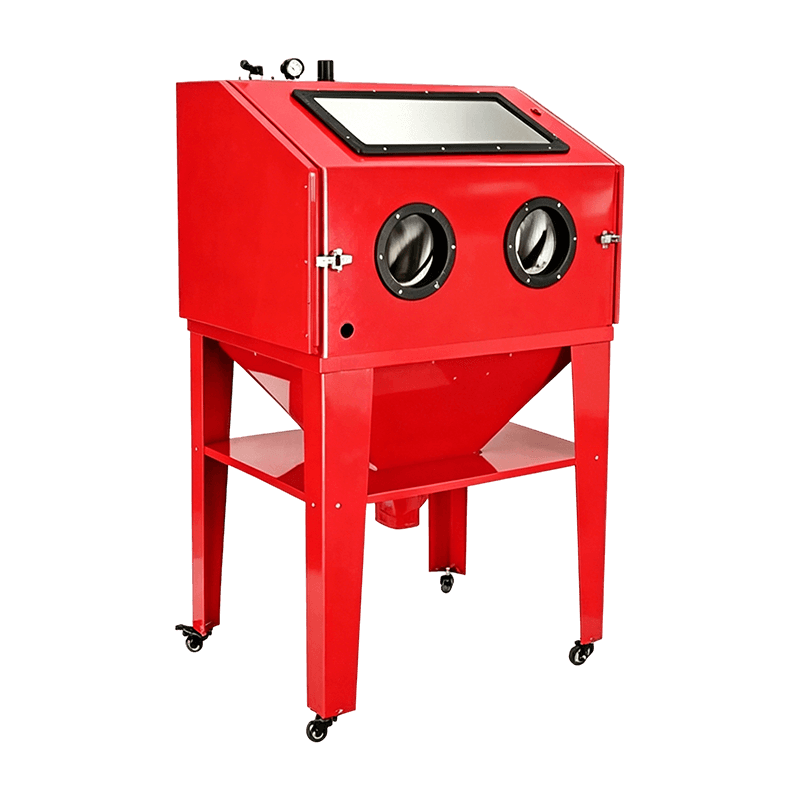
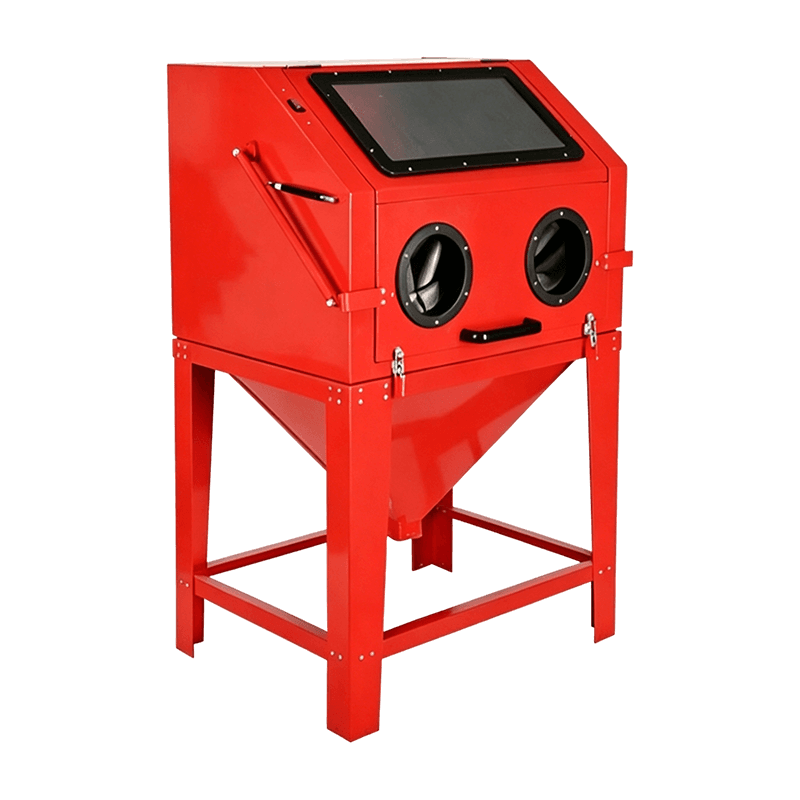
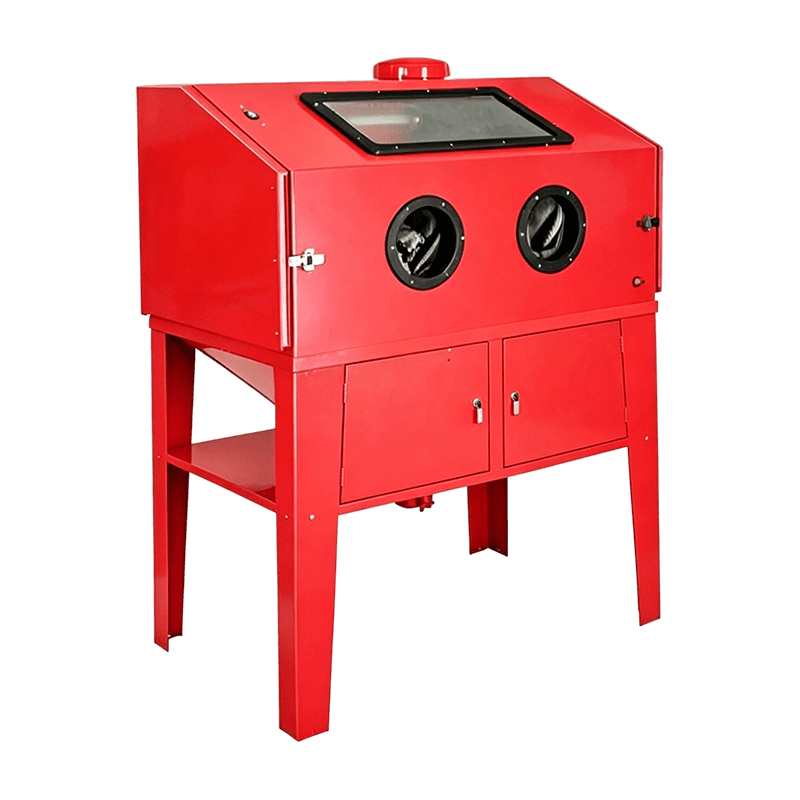
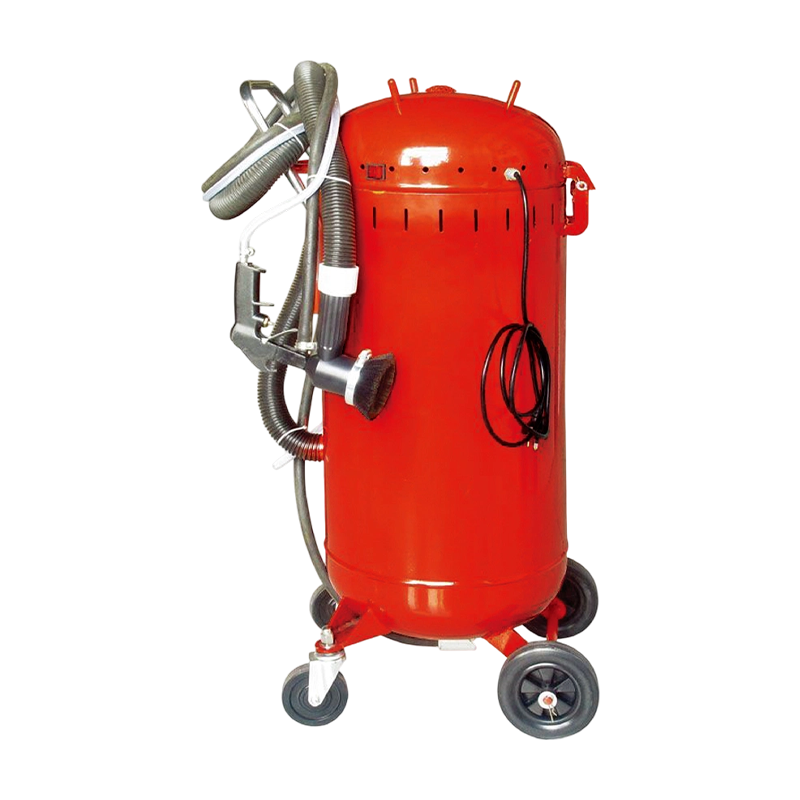
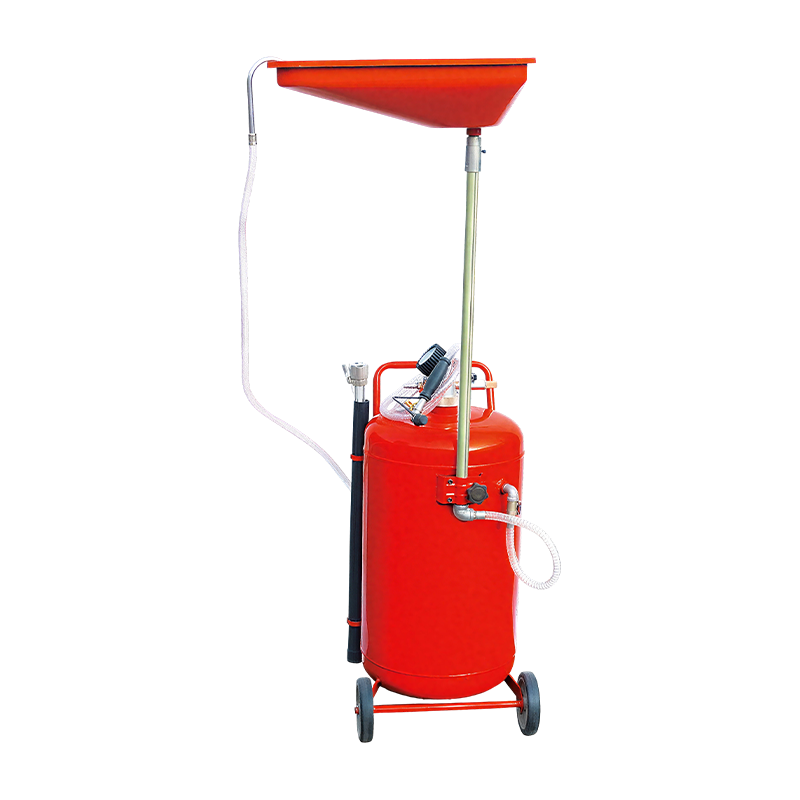
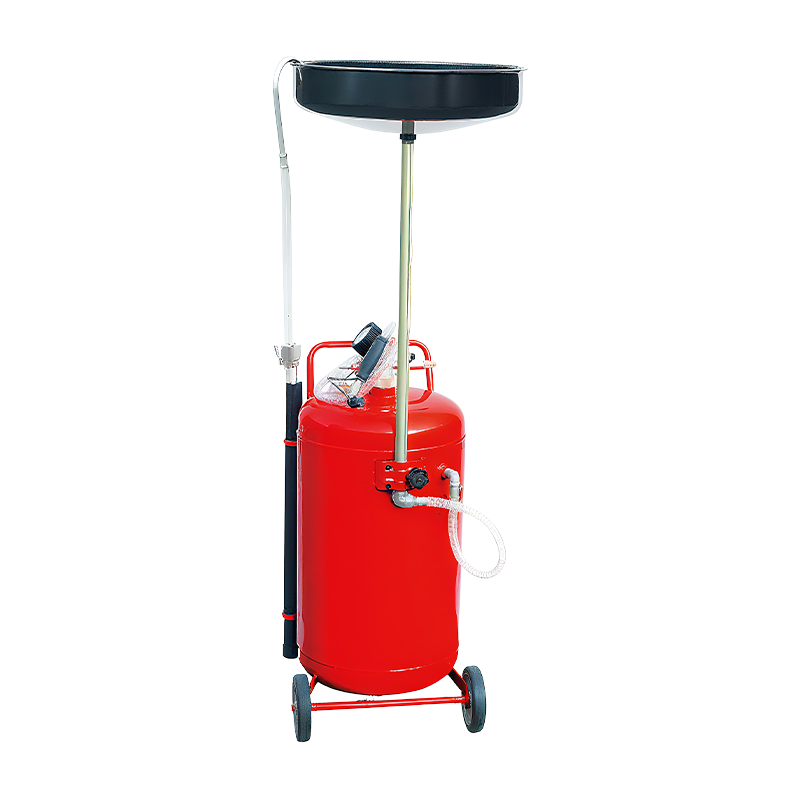
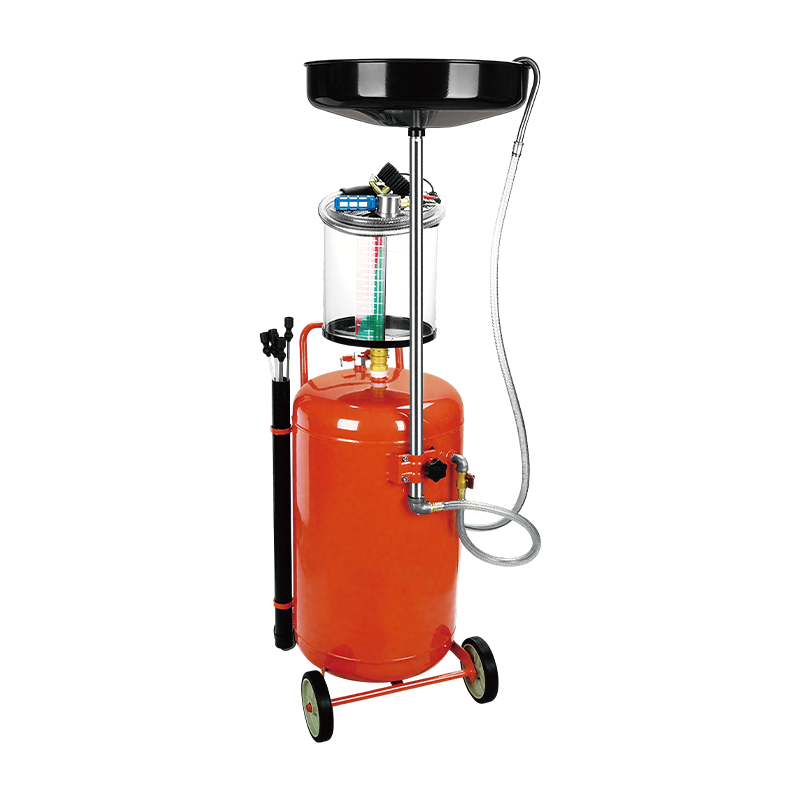
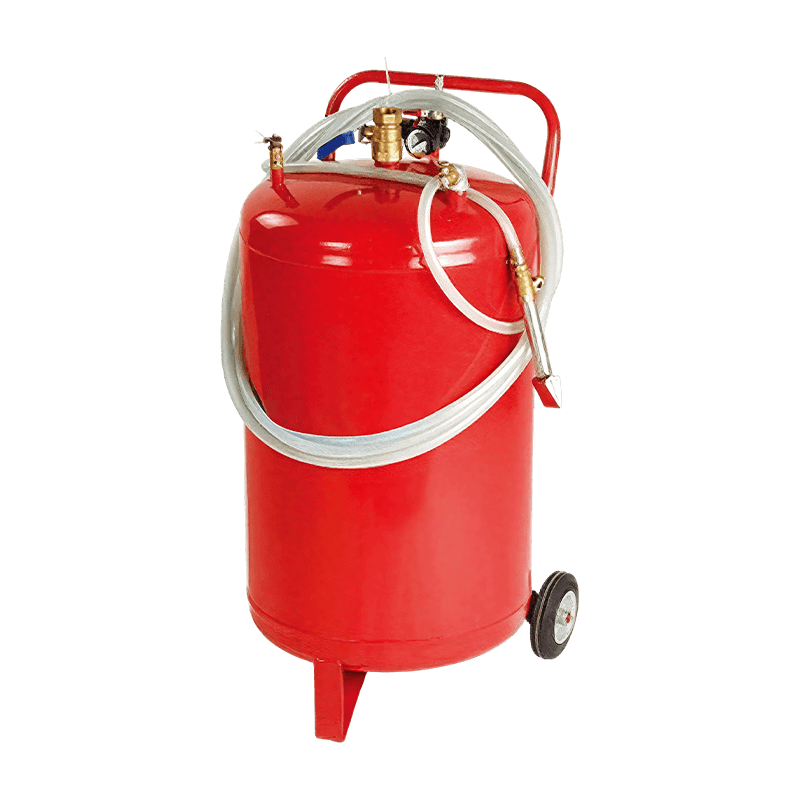
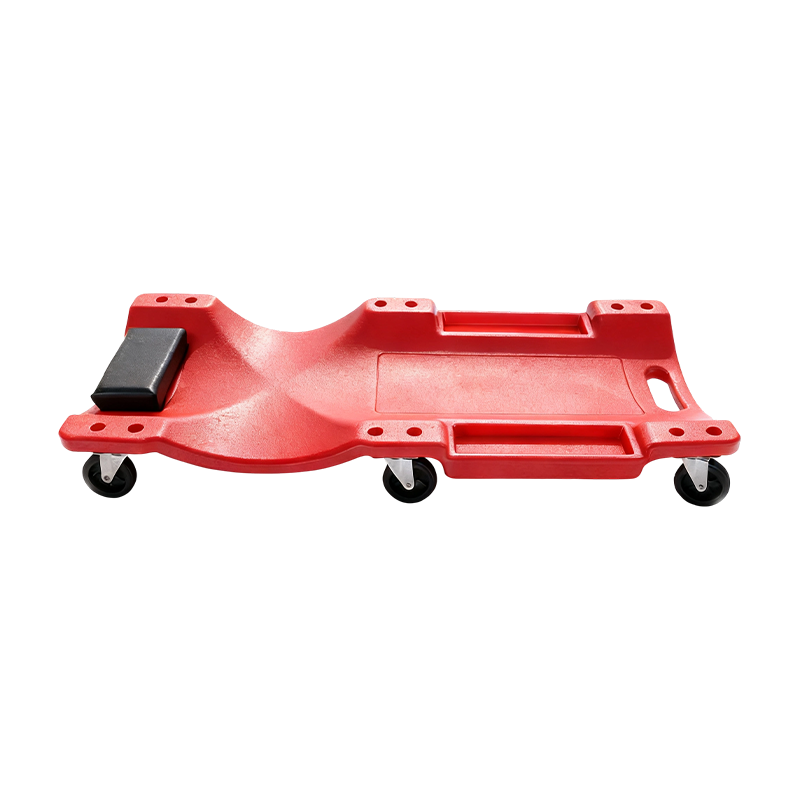
Tyre changers and wheel balancers complete the tyre bay, and the surrounding equipment keeps the rest of the floor working: pipe benders for exhaust and chassis tube, spring compressors, parts washers, sand blasters, oil collecting machines, creepers and steel seats, ramps, tool boxes, air hose reels, lifting table carts, hand pallet trucks and hand tools.
How We Configure a Tool for Your Workshop
Configuration starts from the working point, not from a catalogue number. We match the tool to the load, the space and the power available in the bay, then confirm the details in writing before production.
- Rated capacity against the actual working load, with allowance for shock and off-centre loading
- Frame type and footprint: benchtop, H-frame, folding or fixed
- Power source: manual hydraulic pump, foot pump, shop air or electric motor
- Ram stroke, bed width, table adjustment and working height
- Mobility through castors, handles or a fixed base
- Surface finish, colour and brand marking
- Packaging, carton marking and manual language
- Air pressure and consumption for pneumatic models; voltage and plug type for electric models
Quality Control and Acceptance
Every unit passes the same inspection sequence before packing. Incoming steel and hydraulic components are checked on arrival, frames are inspected after welding and finishing, and each hydraulic circuit is pressure-tested and function-tested before it leaves the line.
- ISO 9001 quality management system applied across production
- CE certification on core hydraulic products for European market sales
- Full inspection through production rather than batch sampling
- Pressure holding and ram function checks on assembled presses
- Frame, weld and finish inspection before packing
- Export packing for sea freight, with carton and pallet marking to your instruction
Installation, Commissioning and Maintenance
Most equipment arrives assembled or partly assembled, and the remaining steps are mechanical: frame assembly, bed pin location, hydraulic oil fill and bleeding, then connection of the air line or power supply. Manuals and operation video tutorials cover each step.
- Assembly and bed positioning guidance for H-frame presses
- Hydraulic oil grade, filling and bleeding procedure
- Air line pressure setting and lubrication for pneumatic models
- Anchoring and floor loading notes for floor-standing presses and lifts
- Load test and first-cycle checks before production use
- Service parts: seals, pumps, rams, castors and pins supplied at low cost for the life of the product
- Operator guidance on load limits, pin placement and safe working position
Information We Use to Configure Your Solution
Send the working point and we return a configuration, a specification sheet and a quotation. The more precisely the application is described, the fewer assumptions sit in the proposal.
- Application and workpiece: what is pressed, lifted, held or fitted, and the material involved
- Required force or capacity, plus maximum workpiece dimensions
- Working height, floor space and whether the tool must be movable
- Power available in the bay: manual, shop air pressure and flow, or electrical supply
- Cycle frequency and duty pattern across a shift
- Environment: indoor bay, outdoor use, wash-down area or marine exposure
- Branding, colour, packaging and manual language requirements
- Order quantity, target market and delivery destination
Frequently Asked Questions
What capacities do your shop presses cover?
Auto Shop Equipment presses run from 4 t to 100 t, with standard models at 6 t, 12 t, 20 t, 30 t and 50 t in benchtop and floor-standing frames. Pneumatic presses cover 20 t to 75 t. The choice follows the workpiece, the required force and whether shop air is available.
Which power source suits a busy workshop?
Pneumatic presses give the fastest ram advance and retraction and run without hydraulic oil in the work area, which suits high-cycle pressing. Hydraulic presses give fine control of force where air is not available. Electric presses motorise ram travel for repeat cycles with consistent stroke control.
Can you supply our brand, packaging and manual language?
Yes. We laser-mark customer logos on the product and produce colour boxes, cartons and manuals in English, Japanese, Spanish, French and other languages. Pressure, dimensions, appearance and operating layout can be adjusted for local standards and working habits.
What certification do the products carry?
The factory operates under an ISO 9001 quality management system, and core hydraulic products hold CE certification for European market sales. Inspection runs through production, with pressure and function testing on assembled hydraulic units before packing.
Do you supply spare parts and after-sales support?
We hold a low-cost spare parts supply for the life of the product, covering seals, pumps, rams, castors and pins, and we provide operation video tutorials and technical guidance for distributors and end users.
What information do you need for a quotation?
Application and workpiece, required capacity, maximum dimensions, working height and floor space, available power, cycle frequency, branding and packaging requirements, order quantity and delivery destination. A drawing or photo of the working point helps us confirm the frame and bed configuration.
